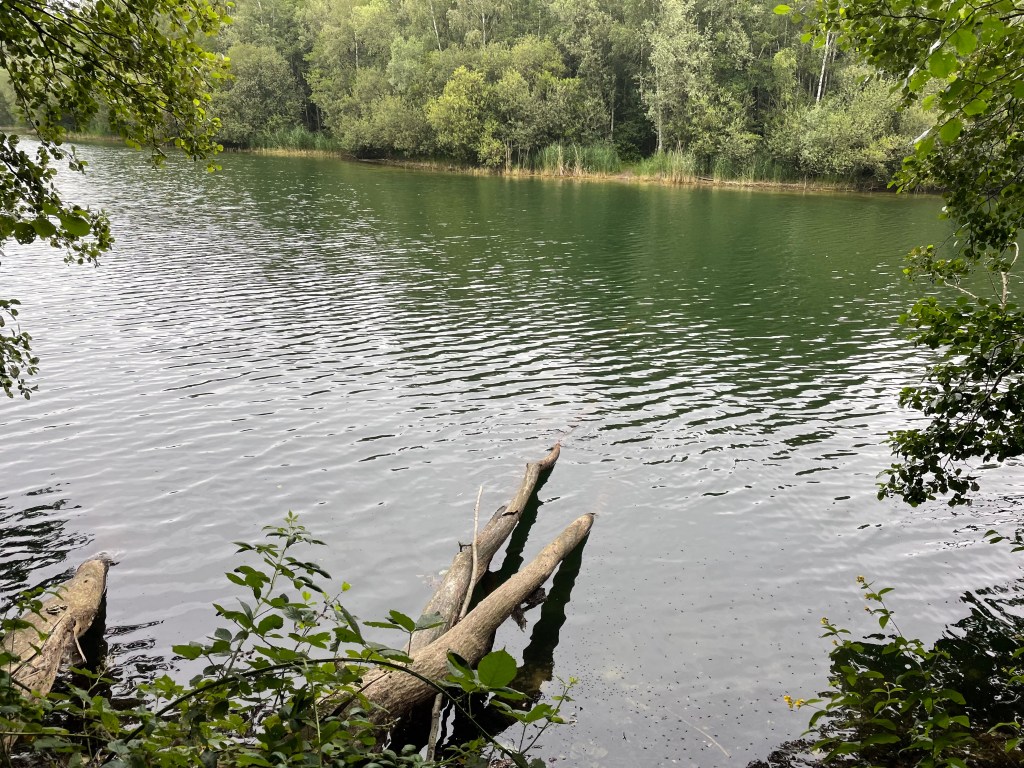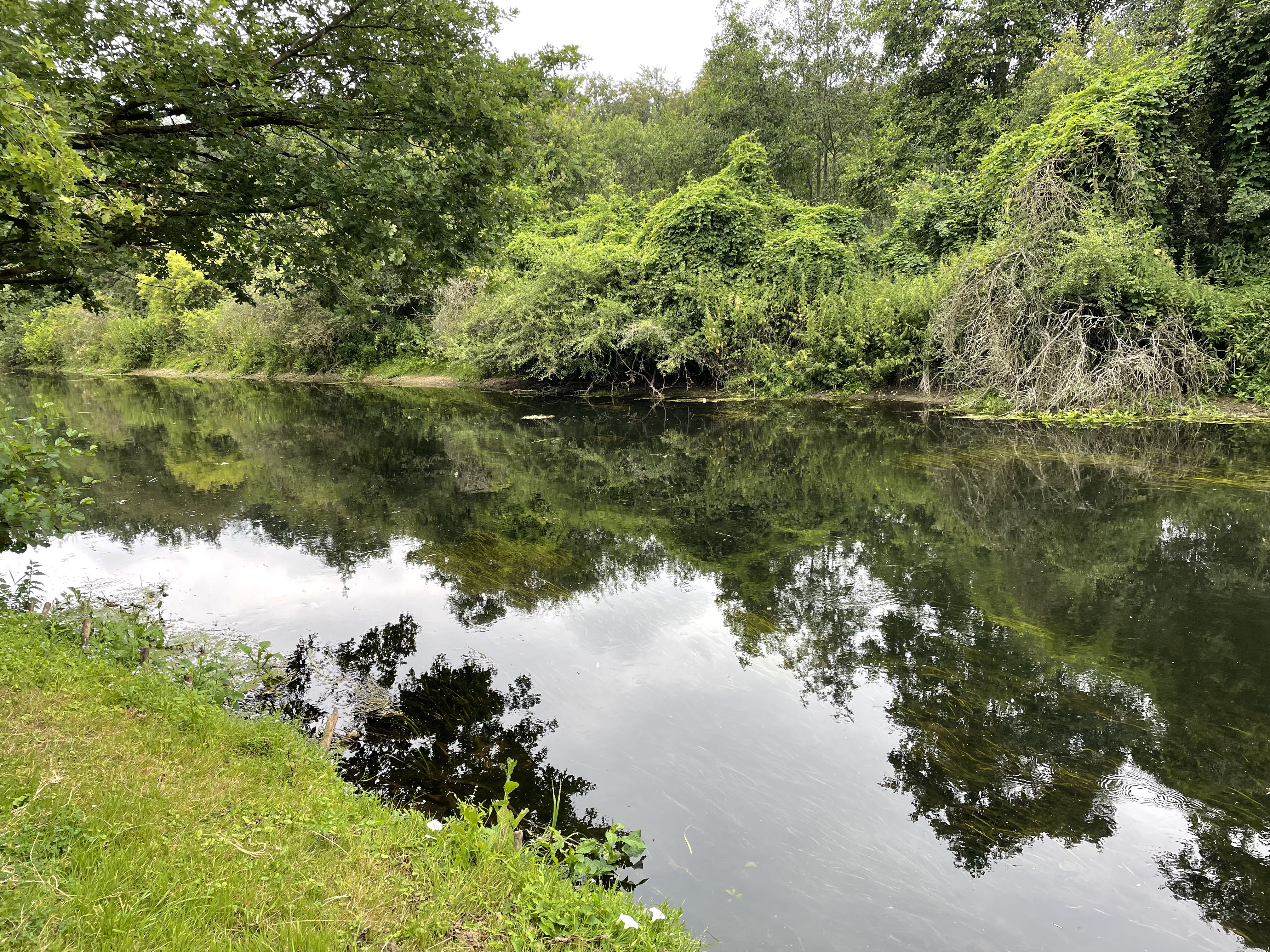
Black water woods
Look, the trees
are turning
their own bodies
into pillars
of light,
are giving off the rich
fragrance of cinnamon
and fulfillment,
the long tapers
of cattails
are bursting and floating away over
the blue shoulders
of the ponds,
and every pond,
no matter what its
name is, is
nameless now.
Every year
everything
I have ever learned
in my lifetime
leads back to this: the fires
and the black river of loss
whose other side
is salvation,
whose meaning
none of us will ever know.
To live in this world
you must be able
to do three things:
to love what is mortal;
to hold it
against your bones knowing
your own life depends on it;
and, when the time comes to let it go,
to let it go.
Mary Oliver
from American Primitive.
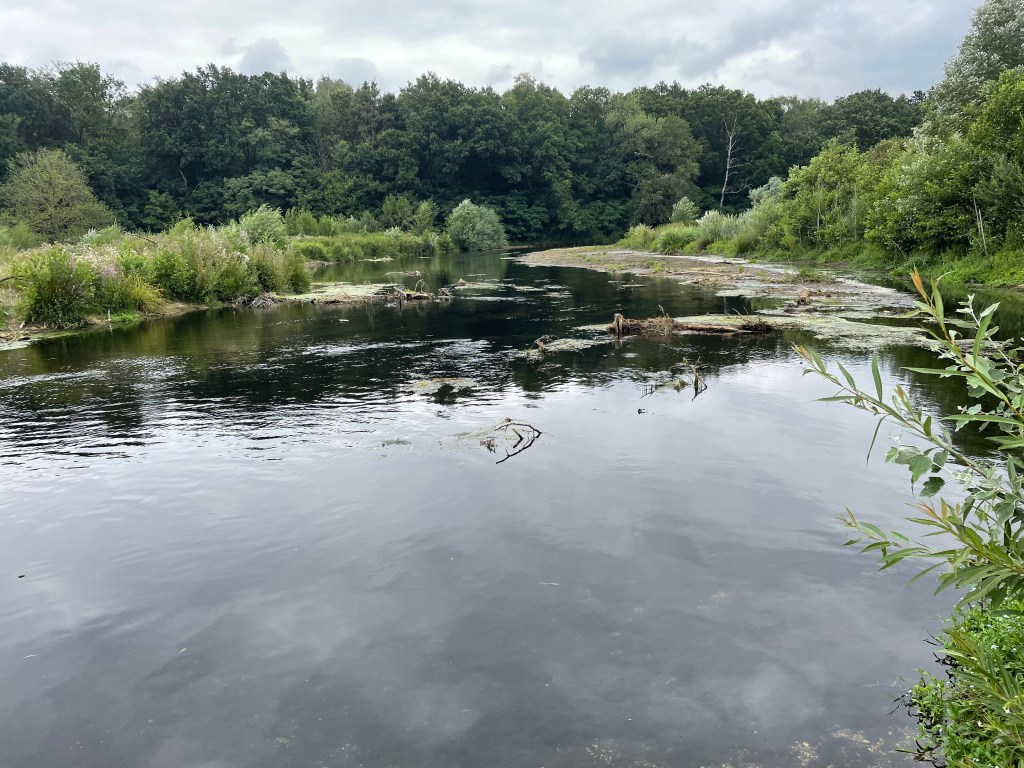
Morning poem
Every morning
the world
is created.
Under the orange
sticks of the sun
the heaped
ashes of the night
turn into leaves again
and fasten themselves to the high branches–
and the ponds appear
like black cloth
on which are painted islands
of summer lilies.
If it is your nature
to be happy
you will swim away along the soft trails
for hours, your imagination
alighting everywhere.
And if your spirit
carries within it
the thorn
that is heavier than lead–
if it’s all you can do
to keep on trudging–
there is still
somewhere deep within you
a beast shouting that the earth
is exactly what it wanted–
each pond with its blazing lilies
is a prayer heard and answered
lavishly,
every morning,
whether or not
you have ever dared to be happy,
whether or not
you have ever dared to pray.
Mary Oliver
Dream Work.
Lead
Here is a story
to break your heart.
Are you willing?
This winter
the loons came to our harbor
and died, one by one,
of nothing we could see.
A friend told me
of one on the shore
that lifted its head and opened
the elegant beak and cried out
in the long, sweet savoring of its life
which, if you have heard it,
you know is a sacred thing.,
and for which, if you have not heard it,
you had better hurry to where
they still sing.
And, believe me, tell no one
just where that is.
The next morning
this loon, speckled
and iridescent and with a plan
to fly home
to some hidden lake,
was dead on the shore.
I tell you this
to break your heart,
by which I mean only
that it break open and never close again
to the rest of the world.
Mary Oliver
(New and Selected Poems Volume Two), Beacon Press.
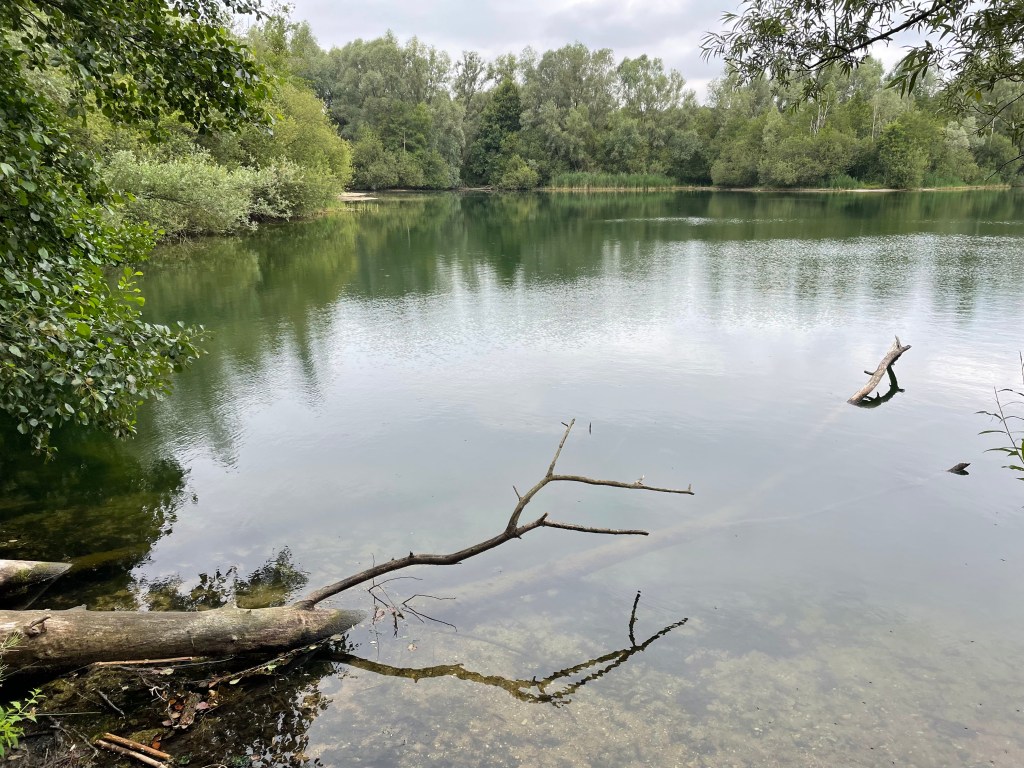
Breakage
I go down to the edge of the sea.
How everything shines in the morning light!
The cusp of the whelk,
the broken cupboard of the clam,
the opened, blue mussels,
moon snails, pale pink and barnacle scarred—
and nothing at all whole or shut, but tattered, split,
dropped by the gulls onto the gray rocks and all the moisture gone.
It’s like a schoolhouse
of little words,
thousands of words.
First you figure out what each one means by itself,
the jingle, the periwinkle, the scallop
full of moonlight.
Then you begin, slowly, to read the whole story.
Mary Oliver,
from Why I Wake Early: New Poems published by Beacon Press, 2005.
Flare
Welcome to the silly, comforting poem.
It is not the sunrise,
which is a red rinse,
which is flaring all over the eastern sky;
it is not the rain falling out of the purse of God;
it is not the blue helmet of the sky afterward,
or the trees, or the beetle burrowing into the earth;
it is not the mockingbird who, in his own cadence,
will go on sizzling and clapping
from the branches of the catalpa that are thick with blossoms,
that are billowing and shining,
that are shaking in the wind.
You still recall, sometimes, the old barn on your great-grandfather’s farm, a place you visited once, and went into, all alone, while the grownups sat and talked in the house.
It was empty, or almost. Wisps of hay covered the floor, and some wasps sang at the windows, and maybe there was a strange fluttering bird high above, disturbed, hoo-ing a little and staring down from a messy ledge with wild, binocular eyes.
Mostly, though, it smelled of milk, and the patience of animals; the give-offs of the body were still in the air, a vague ammonia, not unpleasant.
Mostly, though, it was restful and secret, the roof high up and arched, the boards unpainted and plain.
You could have stayed there forever, a small child in a corner, on the last raft of hay, dazzled by so much space that seemed empty, but wasn’t.
Then–you still remember–you felt the rap of hunger–it was noon–and you turned from that twilight dream and hurried back to the house, where the table was set, where an uncle patted you on the shoulder for welcome, and there was your place at the table.
Nothing lasts.
There is a graveyard where everything I am talking about is,
now.
I stood there once, on the green grass, scattering flowers.
Nothing is so delicate or so finely hinged as the wings
of the green moth
against the lantern
against its heat
against the beak of the crow
in the early morning.
Yet the moth has trim, and feistiness, and not a drop
of self-pity.
Not in this world.
My mother
was the blue wisteria,
my mother
was the mossy stream out behind the house,
my mother, alas, alas,
did not always love her life,
heavier than iron it was
as she carried it in her arms, from room to room,
oh, unforgettable!
I bury her
in a box
in the earth
and turn away.
My father
was a demon of frustrated dreams,
was a breaker of trust,
was a poor, thin boy with bad luck.
He followed God, there being no one else
he could talk to;
he swaggered before God, there being no one else
who would listen.
Listen,
this was his life.
I bury it in the earth.
I sweep the closets.
I leave the house.
I mention them now,
I will not mention them again.
It is not lack of love
nor lack of sorrow.
But the iron thing they carried, I will not carry.
I give them–one, two, three, four–the kiss of courtesy,
of sweet thanks,
of anger, of good luck in the deep earth.
May they sleep well. May they soften.
But I will not give them the kiss of complicity.
I will not give them the responsibility for my life.
Did you know that the ant has a tongue
with which to gather in all that it can
of sweetness?
Did you know that?
The poem is not the world.
It isn’t even the first page of the world.
But the poem wants to flower, like a flower.
It knows that much.
It wants to open itself,
like the door of a little temple,
so that you might step inside and be cooled and refreshed,
and less yourself than part of everything.
The voice of the child crying out of the mouth of the
grown woman
is a misery and a disappointment.
The voice of the child howling out of the tall, bearded,
muscular man
is a misery, and a terror.
Therefore, tell me:
what will engage you?
What will open the dark fields of your mind,
like a lover
at first touching?
Anyway,
there was no barn.
No child in the barn.
No uncle no table no kitchen.
Only a long lovely field full of bobolinks.
When loneliness comes stalking, go into the fields, consider
the orderliness of the world. Notice
something you have never noticed before,
like the tambourine sound of the snow-cricket
whose pale green body is no longer than your thumb.
Stare hard at the hummingbird, in the summer rain,
shaking the water-sparks from its wings.
Let grief be your sister, she will whether or no.
Rise up from the stump of sorrow, and be green also,
like the diligent leaves.
A lifetime isn’t long enough for the beauty of this world
and the responsibilities of your life.
Scatter your flowers over the graves, and walk away.
Be good-natured and untidy in your exuberance.
In the glare of your mind, be modest.
And beholden to what is tactile, and thrilling.
Live with the beetle, and the wind.
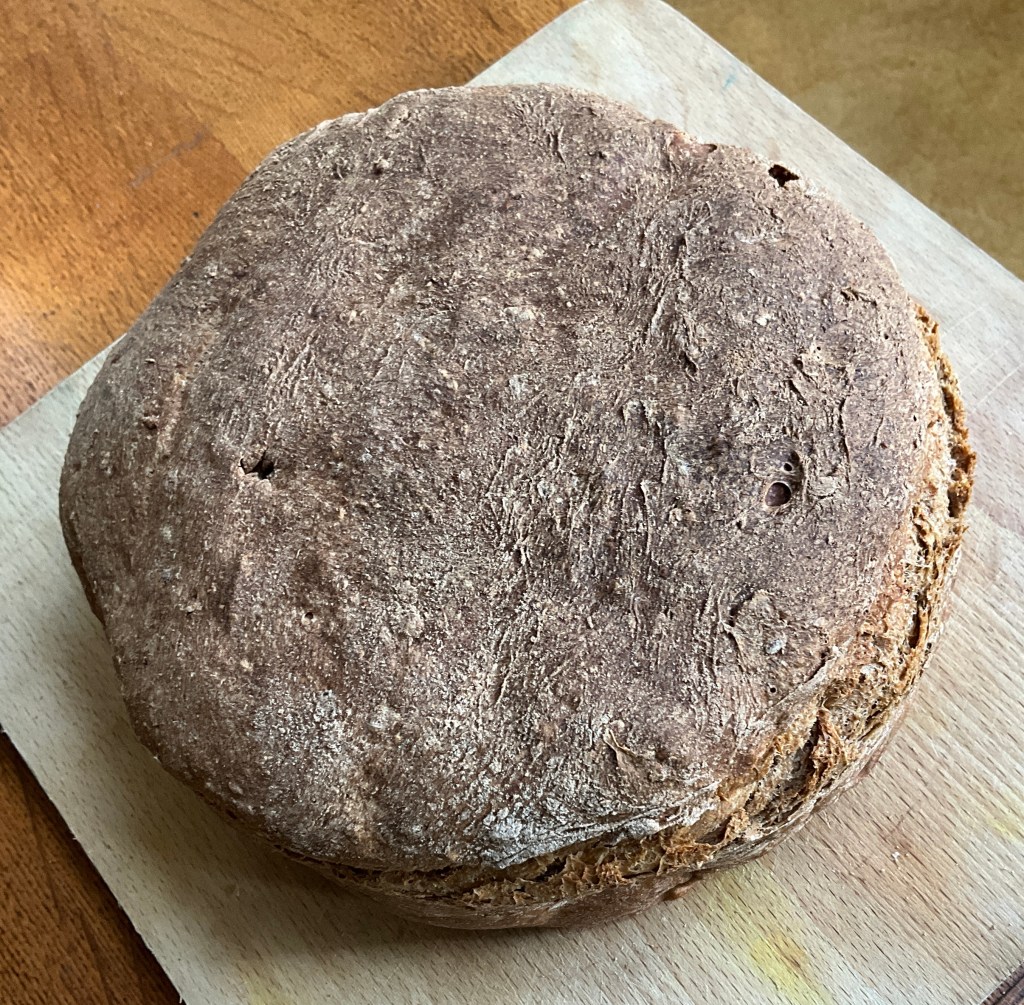
This is the dark bread of the poem.
This is the dark and nourishing bread of the poem.
Mary Oliver
from The Leaf and the Cloud (Da Capo Press, 2000).
First Yoga Lesson
“Be a lotus in the pond,” she said, “opening
slowly, no single energy tugging
against another but peacefully,
all together.”
I couldn’t even touch my toes.
“Feel your quadriceps stretching?” she asked.
Well, something was certainly stretching.
Standing impressively upright, she
raised one leg and placed it against
the other, then lifted her arms and
shook her hands like leaves. “Be a tree,” she said.
I lay on the floor, exhausted.
But to be a lotus in the pond
opening slowly, and very slowly rising–
that I could do.
Mary Oliver
from Blue Horses.
Invitation
Oh do you have time
to linger
for just a little while
out of your busy
and very important day
for the goldfinches
that have gathered
in a field of thistles
for a musical battle,
to see who can sing
the highest note,
or the lowest,
or the most expressive of mirth,
or the most tender?
Their strong, blunt beaks
drink the air
as they strive
melodiously
not for your sake
and not for mine
and not for the sake of winning
but for sheer delight and gratitude –
believe us, they say,
it is a serious thing
just to be alive
on this fresh morning
in the broken world.
I beg of you,
do not walk by
without pausing
to attend to this
rather ridiculous performance.
It could mean something.
It could mean everything.
It could be what Rilke meant, when he wrote:
You must change your life.
Mary Oliver,
A Thousand Mornings (New York: Penguin Books, 2013)
Forty Years
for forty years
the sheets of white paper have
passed under my hands and I have tried
to improve their peaceful
emptiness putting down
little curls little shafts
of letters words
little flames leaping
not one page
was less to me than fascinating
discursive full of cadence
its pale nerves hiding
in the curves of the Qs
behind the soldierly Hs
in the webbed feet of the Ws
forty years
and again this morning as always
I am stopped as the world comes back
wet and beautiful I am thinking
that language
is not even a river
is not a tree is not a green field
is not even a black ant traveling
briskly modestly
from day to day from one
golden page to another.
Mary Oliver
West Wind, (Houghton Mifflin Company, 1997)